The Hidden Link Between Gut Issues, Pelvic Tension, and Hip Pain
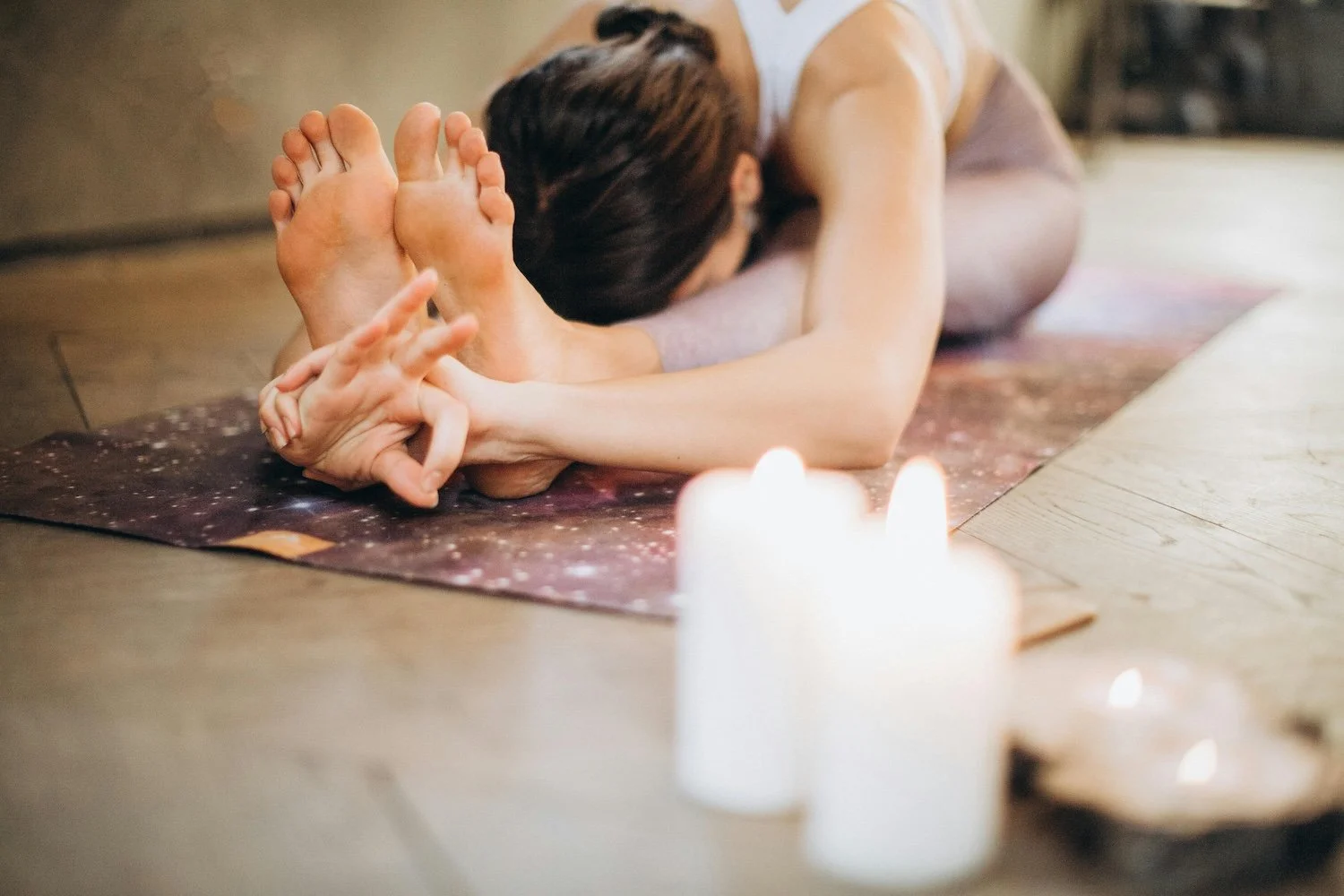
If your digestion feels off and your hips feel tight, it’s not a coincidence.
Bloating, discomfort after eating, a sense of pressure in your abdomen, and persistent tightness in your hips or low back are often treated as separate issues. They’re not. They are different expressions of the same underlying system.
These Systems Are Not Separate
Your gut, diaphragm, pelvic floor, and hips are functionally connected through pressure and coordination.
Your diaphragm sits at the top of your abdominal cavity. Your pelvic floor sits at the bottom. Between them is your digestive system, surrounded by your abdominal wall and supported by your spine.
When this system is working well, pressure moves dynamically with your breath. Your organs have space. Your pelvic floor responds naturally. Your hips don’t need to grip for stability.
When it’s not, everything starts to compensate.
What Happens When the System Is Disrupted
If your digestion is off, it changes how pressure behaves in your body.
Bloating increases internal pressure but without proper coordination. The diaphragm can become restricted. The pelvic floor may start gripping or become unresponsive.
Your body still needs stability, so it finds it somewhere else.
Often, that shows up as tight hip flexors, restricted rotation, or chronic tension through the low back and pelvis.
Why Stretching and Mobility Work Don’t Solve It
If your hips feel tight, it’s natural to stretch them.
But if that tightness is coming from a lack of internal support or poor pressure management, stretching only provides temporary relief. The body will tighten again because nothing underneath has changed.
The same is true for core work that doesn’t integrate breath. It may strengthen muscles, but it doesn’t restore coordination across the system.
The Role of the Pelvic Floor (That Gets Misunderstood)
The pelvic floor is not just something to strengthen or relax. It’s something that needs to respond.
It should lengthen and recoil with your breath. It should coordinate with your diaphragm. It should adapt to movement without constant gripping.
When this coordination is lost, you may experience tension, instability, or both at the same time.
Where Gut Health Fits In
Digestive function directly influences this system.
If your gut is inflamed, sensitive, or consistently bloated, your body adapts around that. Pressure becomes less efficient. Movement becomes more guarded. Sensation becomes harder to interpret.
This is why addressing movement without considering digestion often falls short, and why addressing digestion without restoring physical coordination doesn’t fully resolve the issue either.
What Actually Changes Things
Real change happens when you restore how this system works together.
This means:
Reestablishing functional breath patterns
Improving how pressure is distributed and controlled
Reconnecting sensation so your body can respond appropriately
Integrating this into how you stand, move, and live
When that happens, the hips don’t need to compensate, the pelvic floor doesn’t need to grip, and the system starts to regulate itself.
What It Feels Like When It Starts Working
Your abdomen feels less pressurized and more responsive.
Your breath moves more fully through your torso. Your hips feel less restricted without constant stretching. Your body feels more organized, less reactive.
There’s a sense of space where there used to be tension.
Where This Work Begins
This is the level we work on inside Vital Axis Method™.
We don’t isolate symptoms. We restore the relationship between breath, pressure, digestion, and movement so your body can function as a coordinated system again.
If This Sounds Familiar
If you’ve been dealing with both digestive issues and persistent hip or pelvic tension, it’s not in your head and it’s not random.
It’s a systems issue.
And once you address it that way, things start to change.
→ Apply for the 2-Month Vital Axis Method™ Immersion
Rebuild your body from the inside out with precision, not force.