Why Your Core Isn’t Supporting You (Even Though You’re Strong)
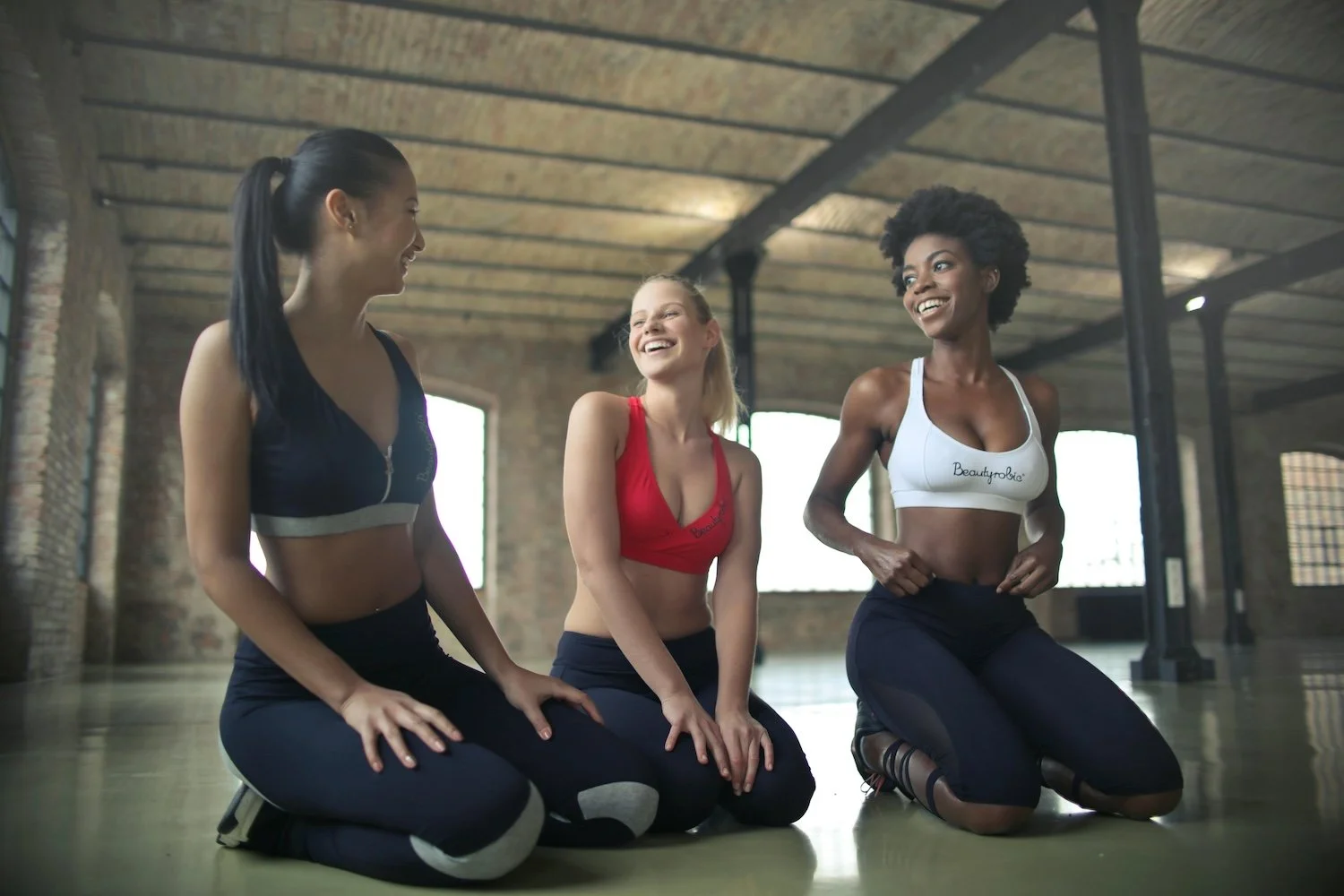
You’re strong. You train. You show up. You’ve done the work.
So why does your body still feel unstable? Why does your back tighten, your hips grip, your posture slip the moment you stop thinking about it?
This is the part no one explains clearly: strength is not the same thing as support.
The Problem Isn’t That You’re Weak
Most of the women I work with are not weak. They are highly capable, disciplined, and often overtrained.
They can hold a plank, do core workouts, and maintain “good posture” when they focus. And yet their low back still takes over, their hips stay tight, and their core doesn’t feel reliable.
Because what’s missing isn’t strength. It’s organization.
What Most “Core Work” Actually Does
Traditional core training tends to rely on bracing, over-recruiting superficial muscles, and disconnecting breath from movement.
This creates a system where the body looks stable from the outside, but internally it’s compensating. The moment you stop concentrating, everything falls apart.
What Real Support Actually Is
True core support is not about squeezing harder. It’s about how pressure is managed inside your body.
Your system functions as a pressure container, with the diaphragm at the top, the pelvic floor at the bottom, and the abdominal wall and spine forming the sides and back. When these coordinate properly, your spine stabilizes naturally, your hips don’t need to grip, and your body organizes itself without force.
This is what most programs completely miss.
Why This Matters for Your Back and Hips
If your core isn’t creating internal support, your body will find it somewhere else.
Usually your hip flexors tighten, your low back compresses, and your shoulders begin holding tension. These areas are not the problem, they are compensating for a lack of internal stability.
The Role of Breath (That No One Is Teaching Correctly)
Breath is not just relaxation. It is structural.
If your breath stays in your chest, moves only forward, or doesn’t expand into your back and sides, your core cannot function as a support system. You end up bracing to feel stable or collapsing when you don’t. Neither is sustainable.
Why This Isn’t Fixed With More Exercises
You don’t need more core workouts, more cues to “engage your abs,” or more mobility routines.
You’re not missing effort. You’re missing the system that makes those things work. Until that system is in place, strength won’t transfer, mobility won’t hold, and progress will keep resetting.
What It Feels Like When It Is Working
When your core is actually supporting you, you don’t have to think about your posture. Your breath moves through your entire torso. Your hips feel lighter, not tighter. Your spine feels stable without effort.
It’s not dramatic. It’s quiet, consistent support.
Where This Work Begins
This is exactly what we build inside Vital Axis Method™.
Not by adding more exercises, but by retraining how your body organizes breath, pressure, sensation, and movement so support becomes automatic.
If This Sounds Like You
If you’ve been doing everything right but your body still doesn’t feel supported, that’s not a failure. It’s a sign you’ve been working without the underlying system in place.
That’s the work.
→ Apply for the 2-Month Vital Axis Method™ Immersion
Rebuild your body from the inside out with precision, not force.