What It Actually Feels Like to Have a Connected Core
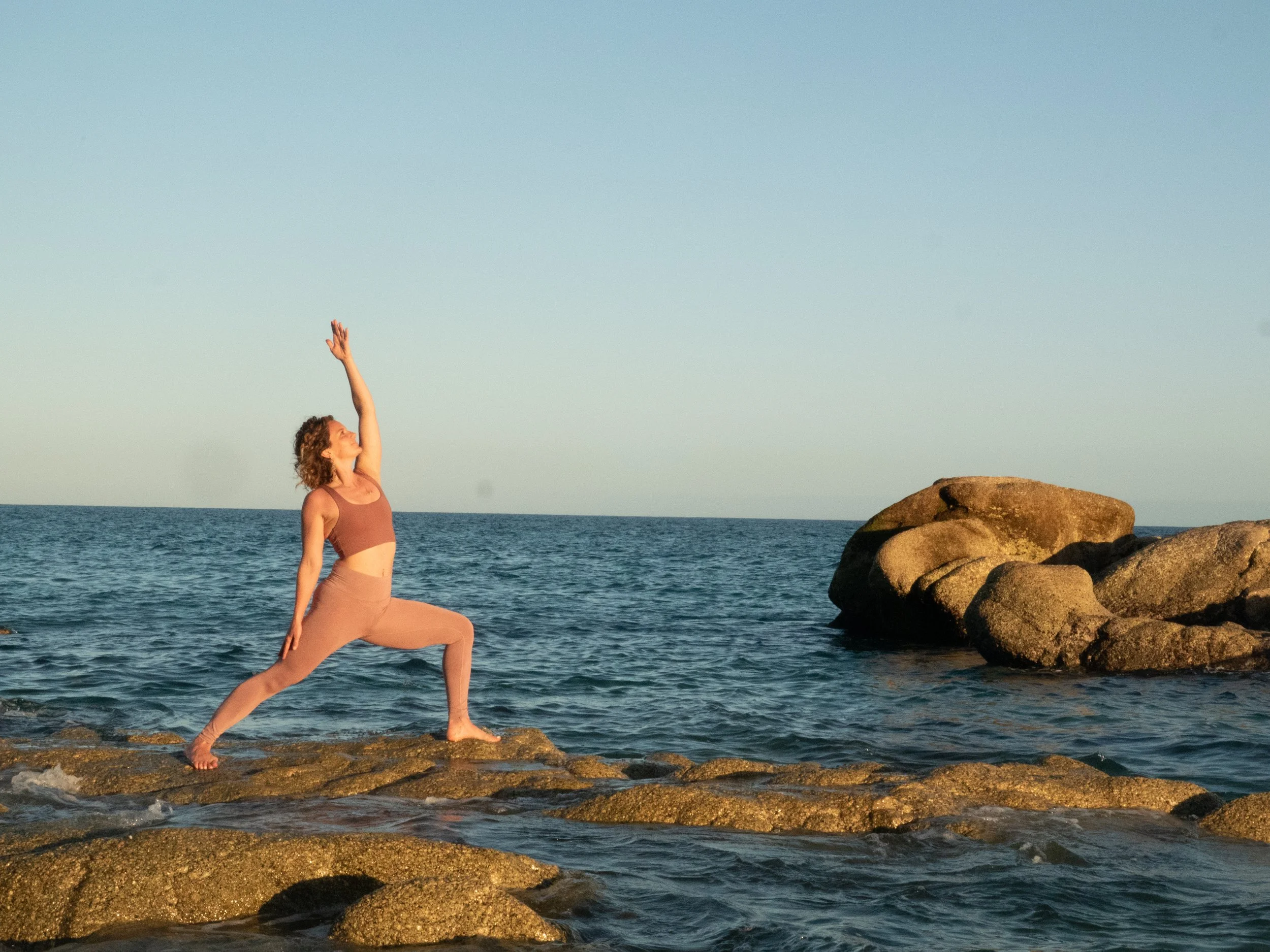
Most people have never actually felt true core support.
They’ve felt effort. They’ve felt tension. They’ve felt what it’s like to “engage” or brace.
But support the kind your body is designed to create naturally is different.
Why This Is So Hard to Identify
If your baseline has always included:
Tight hips
A gripping low back
Constantly “holding” your posture
Then that starts to feel normal.
So when someone says “engage your core,” you interpret that through a system that already associates support with tension.
This is where the confusion begins.
What Most People Think It Should Feel Like
Most people assume core support feels like:
Pulling the stomach in
Tightening the abs
Holding everything in place
That’s not support. That’s control.
And it’s often what leads to more fatigue, more compensation, and less actual stability over time.
What It Actually Feels Like
A connected core feels subtle, but unmistakable.
Your breath moves in all directions: front, sides, and back, without force. Your abdomen responds instead of grips.
Your spine feels upright without you having to “hold” it there. Your hips feel light and free instead of tight or restricted.
There’s a sense that your body is supporting you from the inside, rather than you trying to manage it from the outside.
The Shift Most People Notice First
The first shift is usually not strength. It’s relief.
You may notice:
Less tension in your low back
Less gripping in your hips
A feeling of space in your torso
It can feel almost unfamiliar at first, because you’re not used to your body organizing without effort.
Why This Changes Everything
When your core is actually connected:
Movement becomes more efficient
You don’t need to constantly correct your posture
Other muscles stop overworking to compensate
This is when strength starts to transfer. This is when mobility begins to hold.
Because the system underneath is finally doing its job.
Why You Can’t Force This
You can’t create this feeling by trying harder.
It doesn’t come from more effort, more cues, or more intensity. It comes from coordination specifically how your breath, pressure, and nervous system work together.
This is why so many people miss it. They’re using the wrong strategy to access it.
What It Becomes Over Time
As this becomes more familiar, it stops feeling like something you have to find.
It becomes your baseline.
You walk, stand, and move from a place of internal support without thinking about it. Your body feels more predictable, more responsive, and easier to be in.
Where This Work Begins
This is the foundation of Vital Axis Method™.
We build the ability to feel and maintain this kind of support so it’s not something you visit occasionally, but something your body knows how to do consistently.
If You’ve Never Felt This Before
That doesn’t mean you’re doing something wrong.
It means no one has shown your body how to access it yet.
Once you do, everything else starts to organize around it.
→ Apply for the 2-Month Vital Axis Method™ Immersion
Experience what real support actually feels like, Mand make it your baseline.