Why the Injuries Keep Coming Back (And It Is Not Because You Are Getting Older)
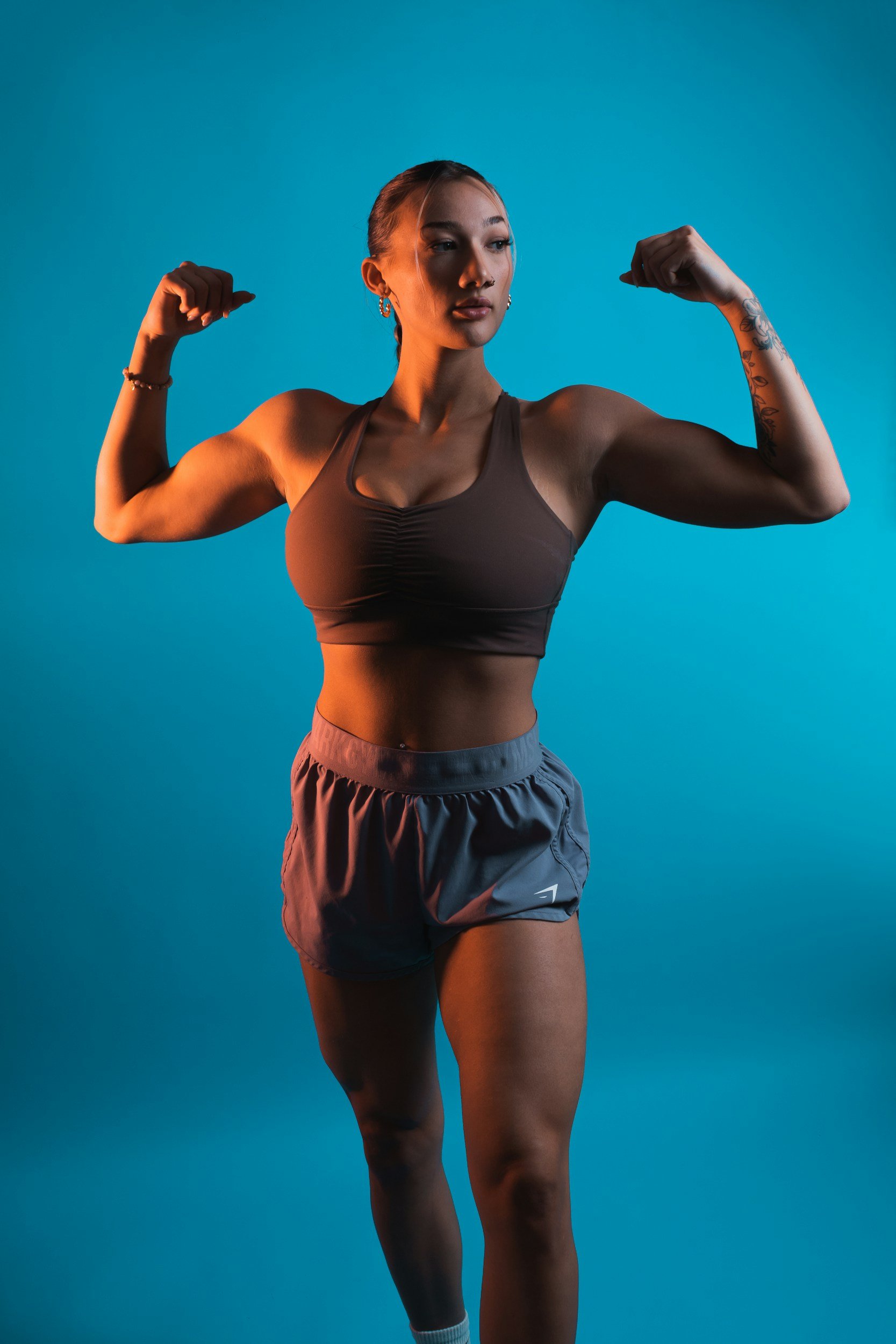
You love to move. Running, hiking, climbing, cycling, the kind of hard physical effort that makes you feel most like yourself. And you are here because the body that used to absorb that effort without complaint has started to charge a price you were not expecting to pay.
The knee that flares after every long run. The hip flexor that never fully resolves between training blocks. The low back that speaks up on the descent. The recovery that takes longer than it used to and leaves you wondering, quietly, whether this is just what getting older feels like.
It is not. And the evidence is the fact that the same structures keep getting injured, over and over, in the same pattern. That is not aging. That is compensation. And compensation has a cause.
The Foundation Your Training Is Missing
Most athletic training programs are built on the assumption that the foundation is already there. The stability, the neuromuscular coordination, the deep system function that allows the large muscles of performance to work efficiently and safely. The programs load the system, build strength, refine technique, and trust that the foundation is holding.
In most women who train regularly, it is not holding. Not because they have not worked hard enough, but because the foundation was never specifically built. The deep stabilizing system, the pelvic floor, the deep core, the proprioceptive system of the foot and ankle, the feedforward activation patterns that stabilize joints before load arrives, these are not trained by most exercise programs. They are assumed.
When the foundation has gaps, the body compensates. The IT band overworks for the gluteus medius that is not stabilizing the pelvis. The lumbar extensors overwork for the glutes that are not driving hip extension. The quadriceps overwork for the hip flexors that are not releasing at the top of the stride. The compensation patterns build across training blocks until the compensating structures reach their load capacity and produce the injury that sends you to the physio, who addresses the symptom but not the pattern, and the cycle continues.
Introvert and Extrovert Muscles
The Vital Axis Method™ uses the framework of introvert and extrovert muscles to understand what is happening in an athletic body that keeps getting injured.
Extrovert muscles are the large, superficial, visible muscles that produce the movement: the quads, the hamstrings, the upper trapezius, the pectorals. They are the muscles that respond to conventional strength training and that are typically well-developed in athletes.
Introvert muscles are the deep, small-diameter stabilizers that work continuously at low levels of force to maintain joint position and prepare the system for load: the glute medius, the deep rotators of the hip, the foot intrinsics, the multifidus, the pelvic floor. They do not respond to conventional strength training in the same way, because they are not mobilizers. They are stabilizers, and stability requires a different kind of training than strength.
In most athletes, the extrovert muscles are strong and the introvert muscles are underperforming. The result is strength without stability, and injury is the inevitable consequence.
The Pelvic Floor in Athletic Performance
The pelvic floor is not just a continence structure. It is the foundation of the core pressure system that stabilizes the lumbar spine and transfers force between the upper and lower body in every athletic movement. A pelvic floor that is not coordinating with the breath is a pelvic floor that is not contributing to this transfer, and the structures above it, the lumbar spine, the thorax, the shoulder girdle, are compensating accordingly.
This is why the Vital Axis Method™ begins the athletic training track with the Core Support Breath and the foundational pelvic floor coordination practices before any strength or performance work is introduced. The foundation determines what everything else can become.
Recovery as Training
The athletic women who find their way to the Vital Axis Method™ almost universally undertake recovery. Not because they do not value it intellectually but because the culture of athletic training has not taught them what genuine recovery actually produces, and because the identity that drives their training makes slowing down feel like falling behind.
The Vital Axis Method™ builds a recovery strategy centered on lymphatic and abdominal support, the most underutilized tools in the athletic toolkit. The Full Body Lymphatic Reset, the Abdominal Reset Massage, the Legs Up the Wall practice, these are not passive rest. They are active interventions that reduce the inflammatory load of training, support the neuromuscular consolidation of the session's learning, and create the physiological conditions in which adaptation actually occurs.
The body does not adapt during training. It adapts during recovery. Treating recovery as part of the training block rather than a break from it is the shift that transforms the chronic injury cycle into sustainable long-term performance.
What the Vital Axis Method™ Does for Athletic Women
The Vital Axis Method™ Trail Adventures and Athletic Training track addresses the foundation that most athletic programs skip, builds the stability that allows strength to transfer to function, and creates the recovery framework that makes hard training sustainable across a lifetime.
Tiers of support are available for every budget and schedule, from self-guided programs to personalized clinical guidance and retreat-style immersions.
The body that moves hard for a lifetime is the body that was also taught to recover, to feel, and to build from the inside out. That foundation is available to you.
Learn more at vitalaxispt.com.